
Buying Japanese cosmetics from a U.S. address is still possible, but the checkout total is no longer the whole import story. The United States has suspended duty-free de minimis treatment for low-value commercial shipments from all countries, including Japan. A parcel may now need a customs entry and may be assessed applicable duty, taxes, fees, or carrier charges even when the order is small.
That does not mean every Japanese face wash, hair oil, or moisturizer attracts the same charge. Customs treatment depends on the product’s tariff classification, country of origin, declared value, shipping channel, and any requirements enforced by agencies such as the U.S. Food and Drug Administration. Sunscreens and products making treatment or prevention claims need extra attention because U.S. law may regulate them as drugs rather than ordinary cosmetics.
This guide explains the process as of September 3, 2026. It is practical shopping information, not legal or customs advice. Rules, carrier procedures, and product eligibility can change, so confirm the current checkout terms and official U.S. guidance before ordering.
The short answer: what U.S. shoppers should expect
The safest assumption is that a parcel from Japan will be declared to U.S. Customs and Border Protection and that duty-free treatment is not automatic. The carrier or postal operator normally handles the entry workflow, but it may contact the recipient for information or payment before delivery.
| Question | Practical answer |
|---|---|
| Are small orders from Japan automatically duty free? | No. The former low-value de minimis exemption has been suspended for commercial merchandise arriving through both non-postal channels and the international postal network. |
| Does every cosmetic have the same duty rate? | No. The rate depends on the current Harmonized Tariff Schedule classification, origin, and any other applicable trade measures. Some classifications can have no ordinary duty while others do not. |
| Is customs duty the only possible extra charge? | No. A shipment may also involve taxes, government fees, brokerage, advancement, handling, or postal collection charges. Which items appear depends on the entry and carrier. |
| Does a Japanese cosmetic label guarantee U.S. admissibility? | No. Imported cosmetics must meet the same U.S. requirements as domestic cosmetics. Classification can also change when a product makes drug claims. |
| Are Japanese sunscreens simply treated as cosmetics? | Not necessarily. FDA regulates sunscreens as nonprescription drugs in the United States. A Japanese-market sunscreen needs separate eligibility and labeling review. |
| Can delivery estimates include customs time? | Not reliably. CBP or FDA review, a request for information, or payment collection can add time after the parcel reaches the United States. |
The key distinction is between customs duty and landed cost. Duty is the government charge associated with the tariff classification and other trade rules. Landed cost is broader: it can include the product, international shipping, duty, taxes, entry-related charges, and carrier fees. Two orders with similar merchandise values can therefore have different delivery totals.
What changed: de minimis is no longer a safe assumption
Older shopping guides often say that a low-value online order can enter the United States duty free under “Section 321.” That advice is outdated.
CBP’s June 24, 2026 interim final rule implemented an indefinite suspension of the de minimis administrative exemption for merchandise arriving through express carriers, freight, and other modes outside the international postal network. CBP explained that these shipments must use an appropriate formal or informal entry process. A separate rule covered international mail and introduced a new postal informal-entry process effective July 24, 2026.
The practical result is simple: do not build an order on the assumption that a small parcel will pass without duty or entry processing. The amount ultimately collected can still vary because suspension of the exemption does not create one universal cosmetics tariff. It moves the shipment into ordinary customs classification and clearance rules.
The two current rules are available in the Federal Register:
The shipping method still matters. Express carriers, postal services, and freight operators may use different entry systems and collection procedures. One carrier may collect estimated import charges at checkout or before export; another may request payment at delivery. The carrier’s own brokerage or handling charge is not the same thing as customs duty, even if both appear on the same invoice.
CBP also distinguishes commercial merchandise from narrow statutory categories such as qualifying gifts and personal articles accompanying a traveler. An online retail purchase does not become a gift merely because a seller marks the parcel that way. Accurate description and value are essential. Asking a seller to understate the value or describe a commercial order as a gift can create delays, penalties, or seizure risk.
How customs duty is actually determined
There is no single “Japanese cosmetics duty.” CBP classification starts with what the product is, what it contains or does, how it is presented, and where it was made. The current U.S. Harmonized Tariff Schedule then supplies the legal tariff categories and rates.
Common beauty purchases may fall into different headings: skin-care preparations, eye makeup, lip products, shampoos, hair preparations, perfumes, soaps, or other categories. Even products that sit beside one another in a Japanese drugstore can be classified differently. A bundle can also require line-by-line descriptions rather than one vague declaration such as “beauty goods.”
Use the official U.S. Harmonized Tariff Schedule for current classifications. The schedule is technical, and a product name alone may not be enough to select a code. If classification materially affects a business shipment, seek a licensed customs broker or a binding ruling rather than relying on a blog post.
| Cost component | Who determines or charges it | What changes it |
|---|---|---|
| Merchandise value | Declared from the transaction and supporting documents | The actual transaction, discounts, assists, and valuation rules |
| Customs duty | CBP under the current tariff schedule and trade measures | HTS classification, origin, value, and applicable special provisions |
| Federal agency review | FDA or another partner government agency | Intended use, claims, ingredients, labeling, manufacturer and entry data |
| Brokerage or entry fee | Carrier, customs broker, or postal operator | Shipping service, entry type, advancement of funds, and carrier terms |
| State or local tax | Marketplace, seller, carrier, or taxing authority depending on the transaction | Delivery address, seller obligations, and how import charges are collected |
| Storage or return cost | Carrier, warehouse, or postal operator | Delayed documents, unpaid charges, refusal, or an inadmissible shipment |
Country of shipment and country of origin are not always the same. A product can be shipped from Japan but manufactured elsewhere. Customs declarations should reflect the actual origin shown by the product and supplier records. Likewise, “Japanese brand” is not a tariff classification.
Keep the order confirmation, product description, quantity, payment record, and tracking number until the parcel has cleared. If the carrier asks what an item is, answer specifically: “facial cleansing cream,” “non-aerosol hair oil,” or “eyebrow pencil” is more useful than “cosmetics.” Do not make up an ingredient, origin, or intended use to speed the process.
FDA rules: cosmetic, drug, or both?
Customs clearance and FDA admissibility are related but separate. CBP manages entry and tariff enforcement; FDA checks whether regulated products offered for import comply with the Federal Food, Drug, and Cosmetic Act and related rules.
FDA defines cosmetics by intended use: products applied to the body for cleansing, beautifying, promoting attractiveness, or altering appearance. Imported cosmetics must comply with the same U.S. laws as domestically produced cosmetics. FDA says import reviewers can examine the declared manufacturer, importer or consignee, product description, labeling, color additives, and other entry data. Inaccurate or incomplete information can delay review.
The label and marketing claims matter. A product promoted only to cleanse or beautify may be a cosmetic. A claim to treat or prevent disease, or to affect the body’s structure or function, can make it a drug. Some products are both. FDA gives examples including anti-dandruff shampoo, fluoride toothpaste, antiperspirant deodorant, and makeup or moisturizer with sun-protection claims.
This is why a Japanese domestic-market category does not control the U.S. result. A product can be sold as a quasi-drug in Japan, yet fall within a different U.S. category. English translation does not solve a regulatory mismatch by itself.
FDA’s Importing Cosmetics page says imported labels are reviewed for required information, truthful presentation, and English-language declarations. FDA also verifies that color additives are approved for the intended use; eye-area colors receive particular scrutiny. Its Cosmetics & U.S. Law overview explains the cosmetic-versus-drug distinction and the industry duties added by the Modernization of Cosmetics Regulation Act.
Ordinary cosmetics are generally not pre-approved by FDA, with an important exception for certain color additives. “Not pre-approved” does not mean unregulated. Firms remain responsible for safety substantiation, compliant ingredients, truthful claims, and labeling. FDA may examine imported products and can refuse goods that appear noncompliant.
Why Japanese sunscreen needs a separate check
In the United States, sunscreen is a nonprescription drug. FDA’s current sunscreen guidance states that it regulates sunscreen products for safety and effectiveness and requires drug labeling. The U.S. active-ingredient framework and required label are not interchangeable with Japan’s SPF and PA system.
That means an active Japanese sunscreen product page does not, by itself, establish that the product is admissible for U.S. commercial import. Before ordering ANESSA Skin Milk / Skin Gel or Biore UV Aqua Rich Airy Hold Cream to a U.S. address, confirm that the exact variant is offered for that destination and that the seller and carrier can lawfully handle it. Do not infer U.S. compliance from popularity, an SPF number, or prior deliveries.
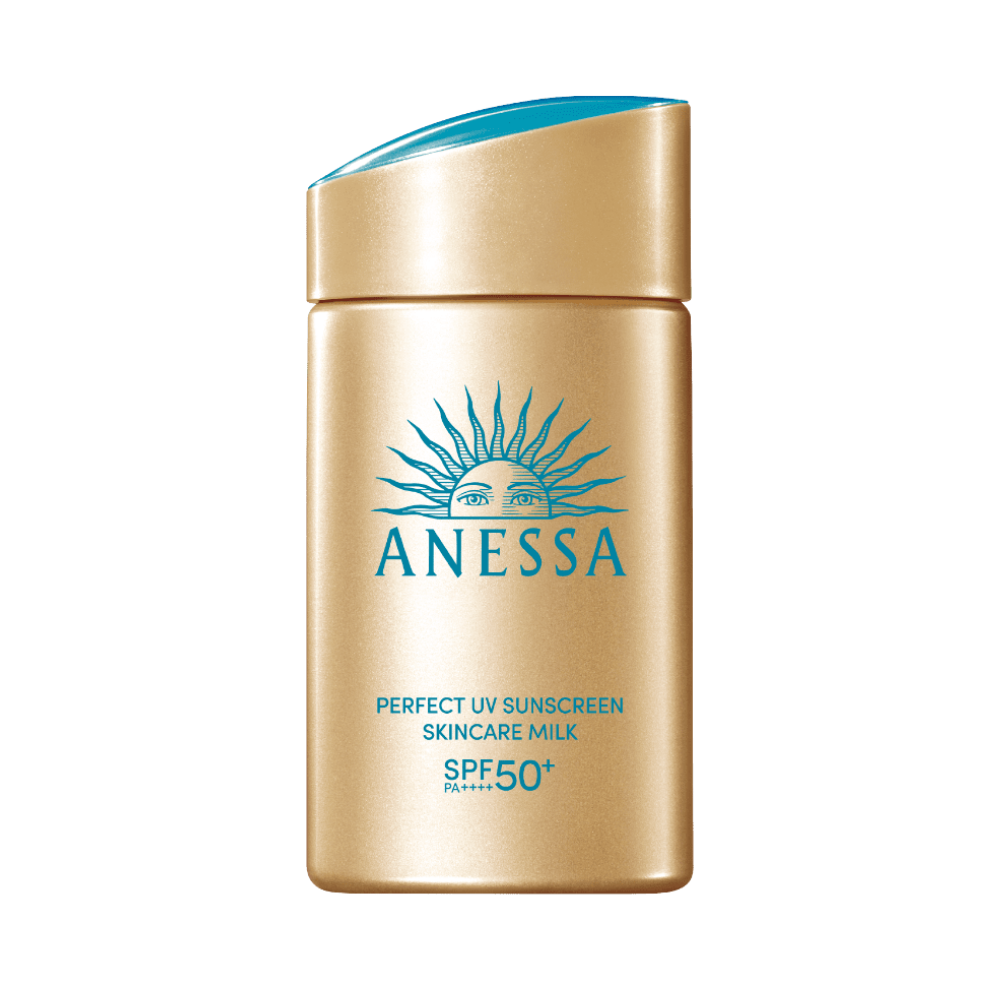
For a format comparison, read Anessa vs Biore vs Allie. That guide explains the Japanese products; it does not replace U.S. import eligibility checks. FDA’s sunscreen guidance is the appropriate starting point for U.S. regulatory context.
Six Japanese beauty product types and what to verify
The products below illustrate why “cosmetics” is too broad for a customs declaration. Each linked YUBI100 page was active when this guide was prepared, but stock, destination availability, and carrier acceptance can change.
1. Facial cleanser: SENKA Perfect Whip
SENKA Perfect Whip 120g is a rinse-off facial cleanser. For shipping records, the useful facts are the exact product name, quantity, size, intended cosmetic use, manufacturer, and origin—not an unverified promise about skin results.
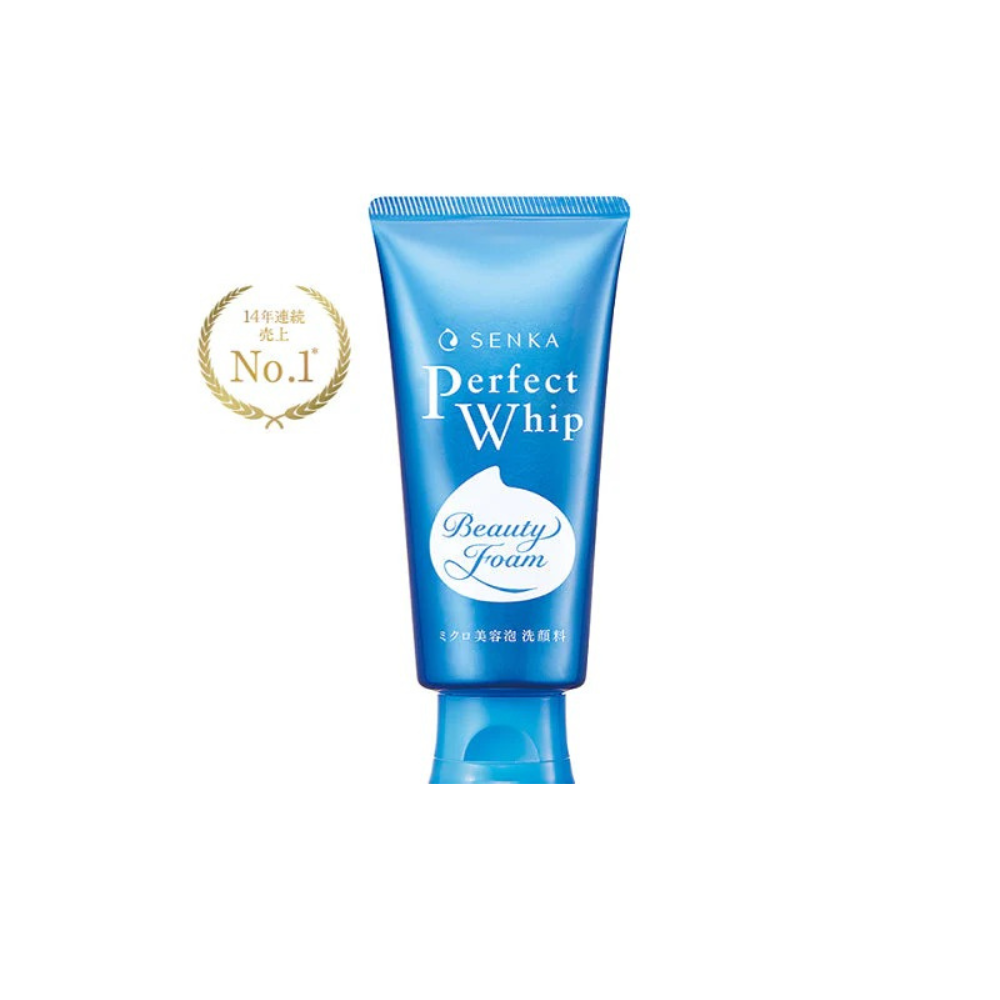
A cleanser is not automatically free from FDA review. Its claims determine intended use, and its label still needs to meet the rules applicable to an imported cosmetic. Review the current package and product page rather than copying an ingredient list from a different SENKA variant. The SENKA Perfect Whip guide separates the formulas and formats.
2. Leave-in hair product: &honey Hair Oil
&honey Hair Oil is sold in several variants on one product page. The exact variant should appear on the order record and declaration because formulas and packaging can differ. Do not describe all variants as though they have one universal ingredient list.

A non-aerosol hair oil is different from an aerosol styling spray, a medicated scalp product, or an anti-dandruff treatment. Those differences can affect carrier acceptance and FDA category. Our &honey Hair Oil guide covers the five store variants without treating them as identical.
3. Skin and lotion variants: Shiseido D’Lux
The Shiseido D’Lux Skin / Lotion 150mL page contains two variants. Select the exact item rather than assuming “skin” and “lotion” are interchangeable English category names. Customs descriptions should state what is actually in the parcel.

Liquids can also be subject to carrier packaging and leakage rules even when they are not dangerous goods. Carrier acceptance is a transport question, not proof of FDA admissibility or a particular tariff rate.
4. Color cosmetic: Shiseido Eyebrow Pencil
The Shiseido Eyebrow Pencil is available in multiple colors. For color cosmetics, FDA’s color-additive requirements are especially relevant. A color approved for one use is not necessarily approved for every use, and the eye area has specific restrictions.
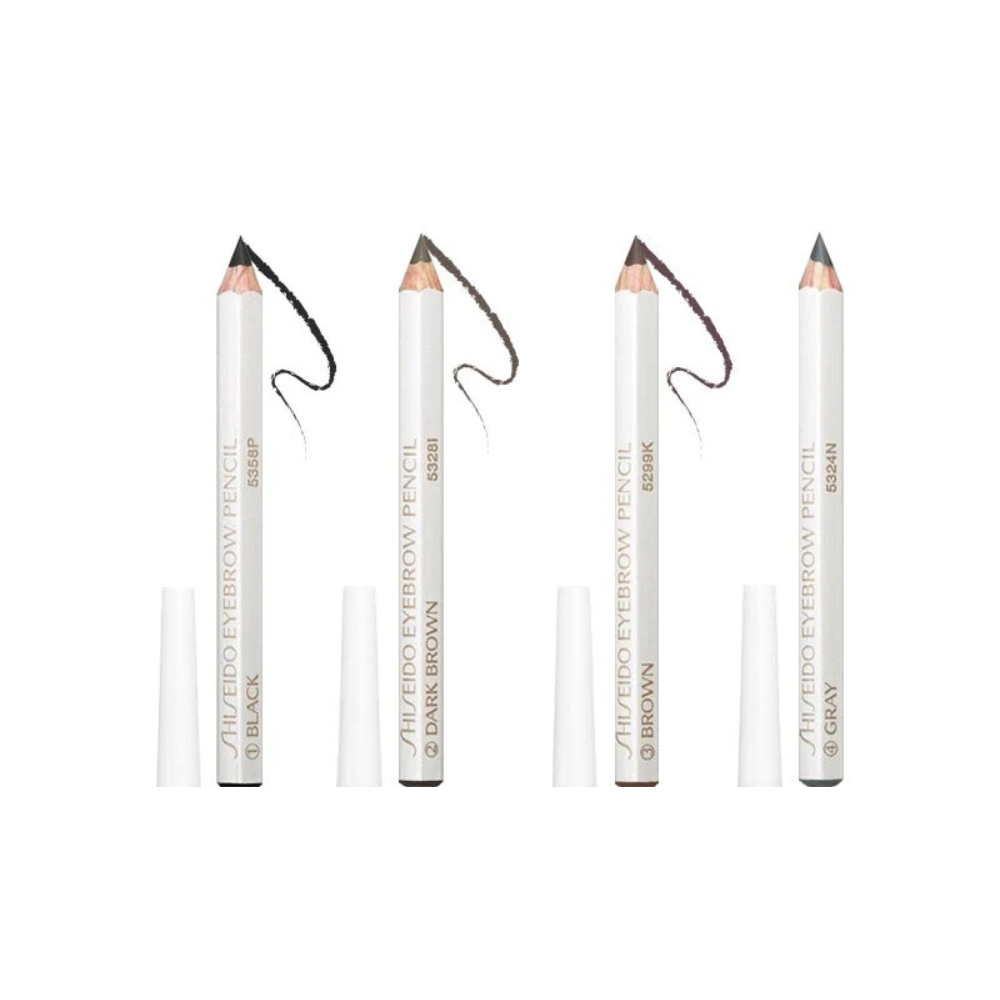
An active store listing confirms what is offered by the shop; it does not substitute for the importer’s regulatory review. If a carrier or agency requests the ingredient or color declaration, use the exact variant’s current packaging or manufacturer documentation.
5. Japanese sunscreen: ANESSA
The ANESSA Skin Milk / Skin Gel listing is one product page with two variants. Do not create two customs line items unless both variants are actually in the order. More importantly, sun-protection claims place sunscreen in the U.S. drug framework. Destination availability should be confirmed before purchase.
6. Japanese sunscreen: Biore UV Aqua Rich
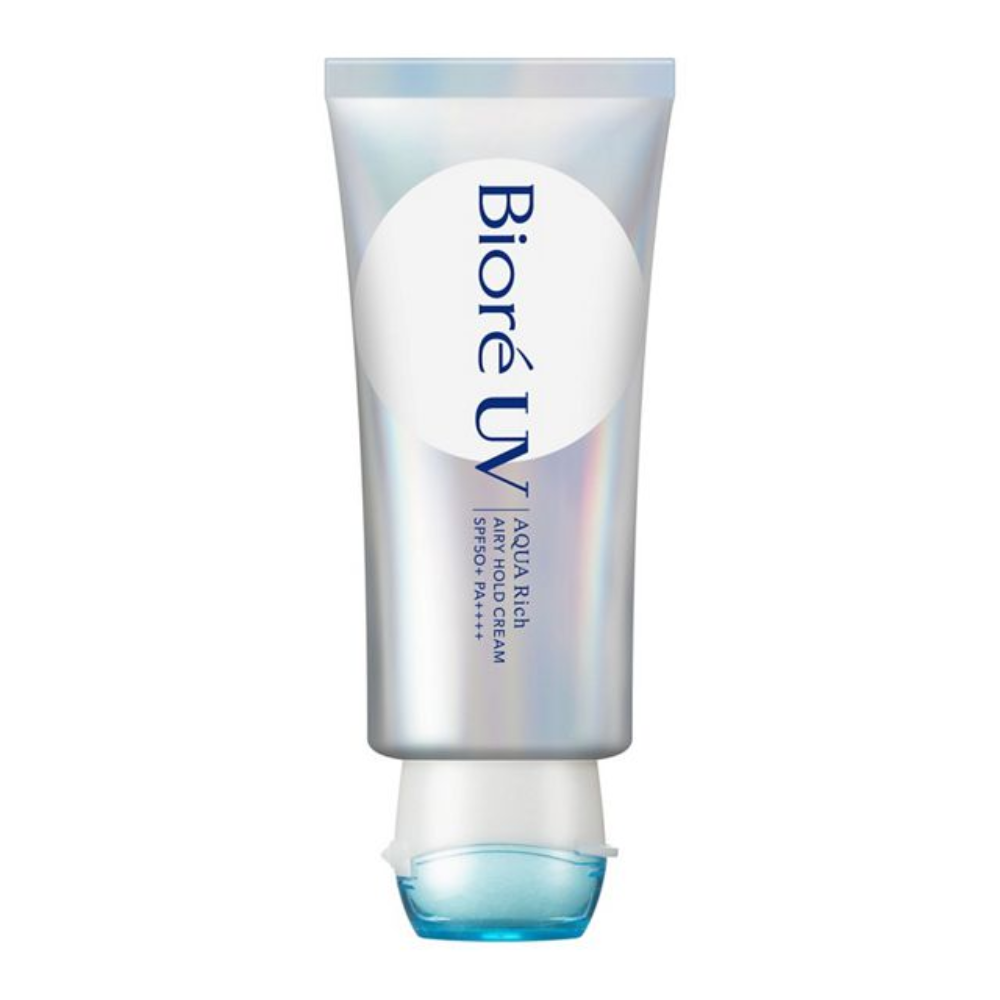
Biore UV Aqua Rich Airy Hold Cream 70g is another example where the Japanese product name and protection claim do not answer U.S. admissibility questions. Verify the exact product, active ingredients, labeling, and destination support. Avoid assuming that a formula sold lawfully in Japan automatically meets the U.S. nonprescription-drug requirements.
| Product type | Useful declaration description | Main extra check |
|---|---|---|
| Facial cleanser | Facial cleansing cream or foam, exact size | Cosmetic labeling and truthful intended-use claims |
| Hair oil | Non-aerosol leave-in hair preparation, exact variant | Variant formula and carrier liquid rules |
| Skin lotion | Cosmetic skin lotion, exact size | Exact variant, origin, and leakage-safe transport |
| Eyebrow pencil | Eye-area color cosmetic, shade and quantity | FDA-permitted color additives for intended use |
| Sunscreen milk or gel | Sunscreen product, exact active ingredients and size | U.S. nonprescription-drug eligibility and Drug Facts labeling |
| Sunscreen cream | Sunscreen product, exact active ingredients and size | U.S. drug requirements, carrier and destination support |
What commonly delays a parcel
A customs delay does not necessarily mean the parcel has been seized. It may mean the filer needs clearer data or that a partner agency is reviewing the entry. Common friction points include:
- a vague description such as “samples,” “gift,” or “beauty items”;
- a declared value that does not match the commercial invoice or payment;
- a missing or questionable country of origin;
- a product name that suggests a drug claim while the entry describes a cosmetic;
- missing manufacturer, ingredient, or label information requested by FDA;
- eye makeup with color-additive questions;
- aerosol, alcohol-heavy, pressurized, or flammable products that the selected carrier cannot accept;
- several identical units that look commercial rather than personal;
- unpaid duty or carrier charges;
- an incomplete U.S. recipient name, phone number, or address.
If contacted, respond through the carrier’s official channel and keep copies. A request for an invoice does not require rewriting the invoice; provide the genuine transaction record. If the product cannot be admitted, options may include return, export, abandonment, or destruction depending on the agency and circumstances. Those outcomes can generate costs that are not included in the original product price.
Humidity & sweat resistance
Humidity and sweat resistance do not change customs classification, but they still matter when deciding whether an international order is worth placing. A product that suits a dry indoor routine may not be the right choice for a humid U.S. summer, outdoor work, or travel in Florida, Hawaii, the Gulf Coast, or other hot climates.
For ordinary cosmetics such as cleansers, lotions, and hair oils, think about packaging stability and routine fit. Secure pump locks and caps before travel, keep products away from prolonged heat, and follow the label’s storage directions. “Hair oil” does not mean the container is immune to leakage, and a thick cream can still separate or degrade if stored outside its stated conditions.
For sunscreen, humidity and sweat resistance are part of use, but they are not import permissions. FDA says no sunscreen is truly waterproof. U.S. labels that claim water resistance must state the tested duration, and users should reapply as directed, especially after swimming or sweating. A Japanese PA rating or a Japanese “super waterproof” description should not be translated into a U.S. label claim without regulatory support.
Choose the product for the environment only after confirming that the exact item can be shipped and imported to the destination. If you want a broader routine comparison, see Best Japanese Drugstore Skincare 2026 and Shiseido at the Japanese Drugstore.
Getting it outside Japan
Use a simple pre-order workflow rather than trying to predict one universal customs bill.
Step 1: confirm the exact product and variant
Check the size, shade, refill status, and format. A refill is not necessarily the same quantity as the original container. One Shopify product page can contain several variants, so save the order line showing the exact selection.
Step 2: confirm U.S. destination availability
Availability on a Japanese store page does not guarantee that every carrier or destination can accept the product. Enter the U.S. delivery address and review the available shipping services. Pay particular attention to sunscreens, aerosols, perfumes, nail products, and other potentially restricted formats.
Step 3: read how import charges are collected
Look for language explaining whether duties and taxes are collected at checkout or from the recipient later. “Shipping included” does not automatically mean “duties included.” If the terms do not say that import charges are prepaid, budget for a later carrier or postal request without assuming a specific amount.
Step 4: keep accurate records
Save the confirmation email, commercial invoice, product page, payment record, and tracking number. If the product page later changes, your order record helps identify what was actually purchased.
Step 5: monitor carrier messages
Customs questions can have response deadlines. Use the tracking page and make sure the carrier has a working phone number or email. Be cautious of payment scams: navigate to the carrier’s official site or app rather than opening an unexpected link.
Step 6: check the final package before use
Verify that the received variant matches the order. Review the current package ingredient list and directions. Stop using a cosmetic if it causes irritation. For a sunscreen or another U.S.-regulated drug category, confirm the required U.S. labeling and eligibility rather than relying only on a Japanese translation.
| Before ordering | At checkout | While in transit | After delivery |
|---|---|---|---|
| Confirm exact variant, size, format, and intended use | Confirm U.S. shipping service and whether import charges are prepaid | Watch tracking and answer legitimate information requests | Check item, seal, package directions, and variant |
| Review ingredients and claims from the exact product | Save the order and payment record | Keep invoice and product information ready | Keep documentation until the return period ends |
| Check whether the item may be a U.S. drug or dangerous good | Do not assume “shipping” includes duty or brokerage | Pay only through verified carrier channels | Contact the seller if the item differs from the order |
For general cosmetic purchases, the best way to reduce uncertainty is accurate data and a modest, clearly described order—not artificial splitting, undervaluation, or false gift declarations. Multiple parcels can still be reviewed together, and deliberate evasion can create more serious problems than an ordinary duty charge.
Frequently asked questions
Do I have to pay customs duty on Japanese cosmetics shipped to the USA?
Possibly. Duty-free de minimis treatment for low-value commercial merchandise is no longer available as a general rule. The duty outcome still depends on the item’s tariff classification, origin, value, and current trade measures. A carrier may also charge entry, brokerage, advancement, handling, or collection fees that are separate from customs duty.
Is there one customs rate for Japanese skincare?
No. “Skincare” is a retail category, not one tariff code. A facial cleanser, skin lotion, makeup palette, perfume, hair preparation, and sunscreen can be classified differently. Consult the current HTSUS and, when the classification matters, a customs professional.
Will ordering fewer products avoid import charges?
Not automatically. A smaller order may reduce the declared value, but the de minimis exemption itself is suspended. Do not split orders to disguise value or avoid lawful requirements. Order quantities should also be consistent with the stated personal or commercial purpose.
Are Japanese sunscreens legal to import for personal use?
Do not assume they are. FDA regulates sunscreen as a nonprescription drug in the United States. The exact active ingredients, labeling, intended use, and import circumstances matter. A store listing, Japanese SPF/PA label, or prior successful delivery is not proof that another shipment will be admitted.
Does FDA approve ordinary cosmetics before import?
Generally, FDA does not pre-approve cosmetic products or ingredients, except for certain color additives. However, cosmetics remain regulated. Imported products must be safe for their intended use, properly labeled, free of prohibited ingredients, compliant with restrictions, and supported by the industry obligations that apply under U.S. law.
Does Japanese-only packaging cause a problem?
It can. FDA says imported cosmetic labeling is reviewed for required information, truthful presentation, and English declarations. An English product-page translation is not necessarily a compliant retail label. Products that are also drugs have additional label requirements.
Who contacts me if customs needs more information?
Often the carrier, postal operator, or customs broker contacts the recipient or importer. FDA or CBP may communicate through the entry filer. Use only verified contact channels and provide accurate records promptly.
Can YUBI100 promise the final customs amount or clearance date?
No fixed estimate is reliable for every order. Classification, origin, shipping channel, government review, and carrier fees vary. Customs authorities make the final admissibility and assessment decisions. Check the current checkout terms and carrier information for the specific order.
Final checklist
Shipping Japanese cosmetics to the United States is now a classification-and-clearance question, not merely a low-order-value question. Before buying, identify the exact product, confirm destination support, understand whether import charges are prepaid, and keep the transaction records. Treat sunscreen and products with treatment claims as higher-scrutiny categories because U.S. law may regulate them as drugs.
Most importantly, use current official information. The de minimis rules changed materially in 2025 and 2026, so older guides can be wrong even when they were accurate when published. Check the Federal Register rules, FDA import guidance, and the current HTSUS whenever the answer affects a real order.