
Buying Japanese skincare in Europe involves three separate questions: can the seller ship the exact product to your address, how will VAT and customs charges be collected, and does the product meet the destination’s cosmetic rules? Treating those as one question is the fastest way to misunderstand the final cost or delivery time.
For European Union destinations, import VAT applies to commercial goods purchased online from outside the EU. Since July 1, 2026, the EU has also applied a temporary flat customs duty per tariff item to qualifying low-value distance-sale consignments. This replaced the former low-value duty exemption. The seller, marketplace, postal operator, courier, or customs representative may collect the amounts at different stages depending on the VAT method and delivery terms.
Europe is not one tax territory. The EU has common customs rules, but VAT rates and administration vary by Member State. Great Britain, Norway, and Switzerland operate separate systems. This guide therefore starts with EU rules and then explains the most important differences for other European destinations.
The information below is current as of September 3, 2026. It is general shopping guidance, not tax, customs, or legal advice. Confirm the current checkout terms and the official destination-country rules before placing an order.
Quick answer: VAT, duty, and delivery
| Question | Practical answer |
|---|---|
| Is import VAT due on a Japanese skincare order entering the EU? | Yes, commercial imports are generally subject to VAT regardless of how small the order is. The applicable rate is determined by the destination country and product treatment. |
| Are low-value EU parcels still exempt from customs duty? | No longer as a general rule for e-commerce. Since July 1, 2026, a temporary flat duty applies per tariff item to qualifying low-value distance sales. |
| Is the temporary EU duty charged once per parcel? | Not necessarily. The Commission describes it as a per-item charge based on tariff classification, so mixed product categories can create more than one charge in one parcel. |
| What is IOSS? | The Import One Stop Shop is a VAT collection method for qualifying low-value distance sales. It can allow VAT to be collected during checkout instead of at delivery. |
| Does IOSS include every customs or courier cost? | No. IOSS concerns VAT. Customs duty, clearance, advancement, presentation, or handling charges can be separate. |
| Does an active Japanese product page prove EU cosmetic compliance? | No. EU market placement requires a responsible person, safety documentation, notification, compliant ingredients, and required labeling. |
| Is the United Kingdom covered by EU import rules? | No. Great Britain has separate VAT, customs, and cosmetics requirements. Northern Ireland also needs separate checking. |
The most useful phrase to look for at checkout is not simply “tax included.” Check whether the seller says import VAT is collected, whether duties are prepaid, and whether the shipment is delivered duties paid or delivered with charges due. A delivery quote can cover transport while leaving import charges for the recipient.
The 2026 EU change: low-value duty relief ended
Many older guides say that small parcels entering the EU are subject to VAT but exempt from customs duty. That statement became outdated on July 1, 2026.
The European Commission introduced a temporary flat customs duty for low-value distance sales imported from outside the EU. It applies per tariff item rather than simply once per parcel and is scheduled to operate until the EU’s wider e-commerce customs system takes over in 2028. The measure applies regardless of whether VAT is handled through IOSS, special arrangements, or the standard import VAT process.
The Commission also distinguishes this customs duty from a proposed Union handling fee. The duty is already in effect; the separate handling-fee proposal had not yet been finalized when this guide was prepared. A courier or postal operator may meanwhile impose its own clearance or presentation fee under its service terms. Those three things should not be confused:
| Charge | What it is | When it may appear |
|---|---|---|
| Import VAT | Consumption tax charged at the destination-country rate | At checkout through an applicable VAT scheme or during import clearance |
| Temporary low-value customs duty | EU customs charge applied per tariff item to qualifying low-value distance sales | As part of the customs declaration from July 1, 2026 |
| Normal customs tariff | Product-specific duty based on classification, value, origin, and applicable preferences | For consignments outside the temporary low-value treatment or under the relevant customs procedure |
| Carrier clearance charge | A commercial charge from the postal operator, courier, or broker | When the carrier prepares the declaration, advances funds, or collects charges |
| Proposed Union handling fee | A separate EU policy measure, not the current customs duty | Only if and when adopted and brought into force |
The Commission’s current low-value import guidance was last updated on July 20, 2026. It also says product identifiers become mandatory for relevant low-value declarations from November 1, 2026. That is important for sellers and logistics providers because vague descriptions such as “beauty goods” will be even less useful than an exact product and tariff-item record.
Do not ask a seller to understate the value, mark a commercial order as a gift, or split an order to disguise its nature. Customs authorities can examine transaction records and combine information across shipments. Accurate product descriptions, values, origins, and quantities are the safest basis for clearance.
How EU import VAT works
The EU abolished the small-consignment VAT exemption in 2021. An electronic customs declaration is required for imported goods regardless of their value, and VAT must be accounted for through the appropriate process.
The VAT rate is normally the rate applicable in the country where the goods are consumed. That is why a customer in France, Germany, Italy, Spain, the Netherlands, or another Member State should not copy a VAT estimate from a shopper in a different country. Regional rules can also create exceptions.
Import VAT is not necessarily calculated only on the product subtotal. The European Commission explains that the taxable amount can include the customs value plus duties, taxes, other import charges, and incidental costs such as packing, transport, insurance, or commission up to the first destination when those amounts are not already included.
This creates a common surprise: a shopper estimates VAT using only the merchandise value, while the customs calculation includes shipping and duty as well. A carrier’s separate commercial fee may then be added on top.
IOSS versus VAT collected at import
The Import One Stop Shop is an optional simplified system for qualifying low-value distance sales. When correctly used, the seller or marketplace collects destination-country VAT at checkout and reports it through an IOSS registration. The shipment still needs a customs declaration, but the valid IOSS data can prevent VAT from being charged again at import.
IOSS is not a public badge that lets a buyer verify every operational detail. The registration number should not be printed openly on a product page or passed around casually. It is transmitted through the logistics and customs data flow.
If VAT was collected at checkout but a carrier requests it again, do not immediately pay without checking. Contact the seller and carrier with the order record showing VAT collection. The problem may be missing or mismatched IOSS data. If VAT was not collected at checkout, the postal operator or courier may collect it before delivery along with a clearance charge.
The European Commission’s low-value customs formalities page explains IOSS, special arrangements, and the requirement for import declarations. For current national VAT rates, use the Commission’s Taxes in Europe database rather than a static blog table.
Customs classification, origin, and the EU–Japan agreement
There is no single customs code called “Japanese skincare.” Cleansers, skin lotions, creams, masks, hair preparations, makeup, perfumes, soaps, and sunscreens can fall under different tariff headings. The correct code depends on the product’s composition, function, presentation, and sometimes packaging.
Japan and the EU have an Economic Partnership Agreement, but shipping from Japan does not automatically establish preferential Japanese origin. A Japanese brand can manufacture a product elsewhere, and a product can contain non-originating materials. Preferential duty treatment requires the product to meet the agreement’s rules of origin and the claim to be supported in the required way.
For a real order, use the European Commission’s EU–Japan agreement guidance and My Trade Assistant. Do not guess a tariff code from a product title or assume that every beauty product has a zero rate.
Country of dispatch, brand nationality, and customs origin are distinct:
- Country of dispatch is where the parcel begins its journey.
- Brand nationality describes the company or marketing identity.
- Customs origin is determined under origin rules and affects tariff treatment.
- Destination determines where import VAT and national delivery procedures apply.
Keep the order confirmation, invoice, product name, variant, size, payment record, and tracking number until clearance and any return period are complete. If the carrier requests information, describe each item accurately. “Facial cleansing foam, 120g” is more useful than “cosmetics.”
EU cosmetic compliance matters separately from tax
Paying VAT and duty does not make a cosmetic product legally compliant. Customs treatment and product compliance are separate checks.
Cosmetic products placed on the EU market are governed by Regulation (EC) No 1223/2009. The European Commission states that only cosmetics linked to a responsible person established in the EU can be placed on the market. The product must have a safety assessment, a Product Information File, compliant ingredients and claims, required labeling, and notification through the Cosmetic Products Notification Portal before placement on the market.
The CPNP is not a consumer-facing product approval label. Notification does not mean the Commission has endorsed or certified the cosmetic. It supplies information to authorities and poison centers. A Japanese-language ingredient list or an online English translation does not replace the legally required product information and destination-language labeling.
EU rules also restrict or authorize specific substances, colorants, preservatives, and UV filters. The Commission’s CosIng database is useful for finding ingredient names, but the Commission warns that appearing in CosIng does not itself mean an ingredient is authorized. The binding Cosmetics Regulation and its annexes control.
The rules changed again in 2026. Since July 31, 2026, newly placed cosmetics must comply with expanded fragrance-allergen labeling requirements. Older compliant stock placed on the market before that date can remain available during the stated transition period. This is particularly relevant to scented lotions, creams, cleansers, hair products, and products described as fragrance-rich.
Official references:
- EU cosmetics legislation
- Cosmetic Products Notification Portal
- Fragrance-allergen labeling rules
- Cosmetic ingredient database and its limitations
An active YUBI100 product page confirms that the shop currently lists the item. It does not, by itself, confirm that the exact Japanese-market unit can be offered to every European destination. Customers should use the country selector and checkout, while the seller must ensure the regulatory and logistics route supports the destination.
Six product examples: what to check before ordering
The examples below were active in the YUBI100 catalog when this article was prepared. They are not claims that each product can be delivered to every European country. Stock, variants, carrier acceptance, and destination eligibility can change.
SENKA Perfect Whip 120g
SENKA Perfect Whip 120g is a rinse-off facial cleanser. Confirm the exact size, current ingredient label, responsible-person information, and destination-language labeling. Do not copy the ingredients of White Clay, Collagen, Speedy, or another SENKA variant onto the standard formula.
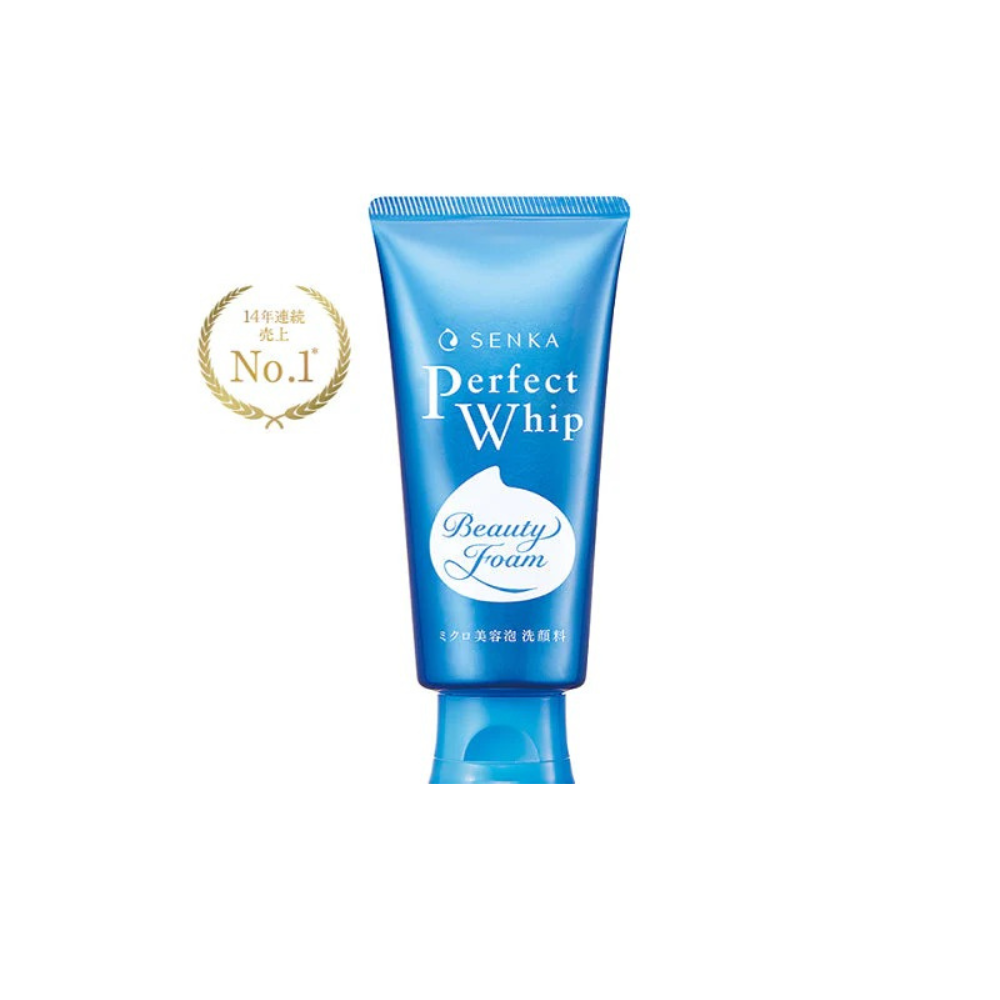
Our SENKA Perfect Whip guide separates four formats. For customs, describe the product as the exact cleanser ordered rather than using a brand-only description.
Hada Labo Gokujyun Perfect Gel 100g
Hada Labo Gokujyun Perfect Gel 100g is one jar-format skincare product. The product page size helps identify it, but EU compliance still depends on the exact formula, safety file, responsible person, notification, and label.
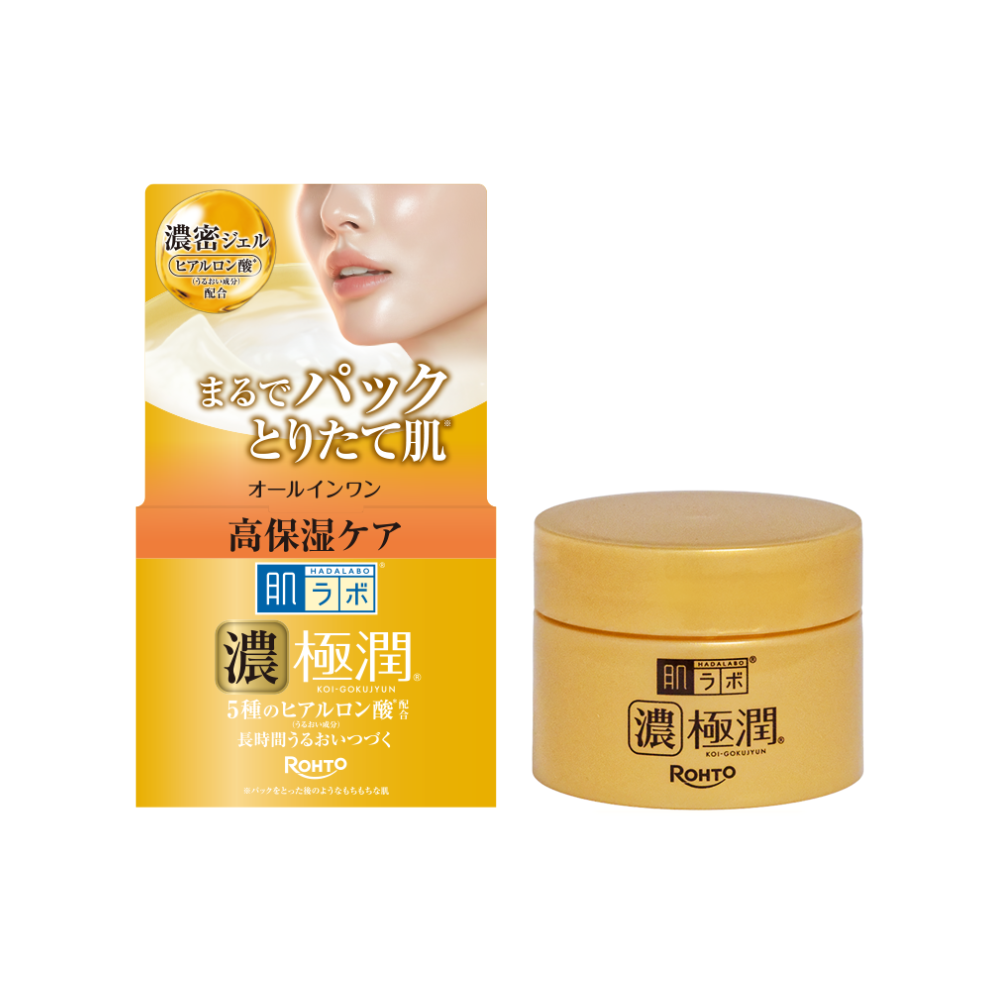
A Japanese domestic “all-in-one” description is marketing context, not a customs code. The declaration should identify a skin-care preparation and the exact unit, while the filer selects the code from the actual product facts.
Hada Labo Gokujyun Premium
The Hada Labo Gokujyun Premium page contains two different variants: a skin-lotion format and a milk-lotion format in different sizes. Select and record the exact variant. One shared product page does not mean the formulas or declaration descriptions are identical.
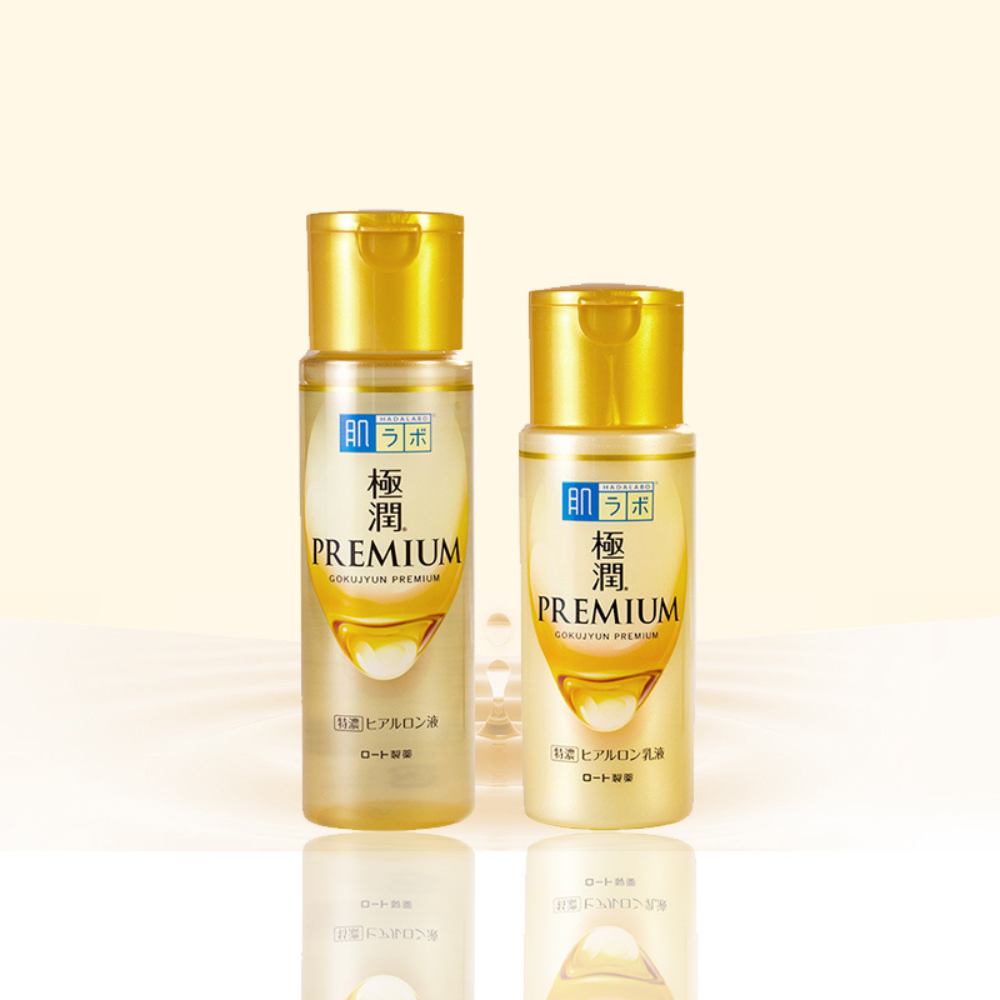
For VAT, the actual transaction line matters. For cosmetic compliance, the package and formula of the selected variant matter. Keep the order confirmation that identifies which one was purchased.
Naturie Hatomugi Skin Conditioner or Gel
The Naturie Hatomugi Skin Conditioner / Gel listing combines a large liquid bottle and a jar-format gel. Their volumes, packaging, transport weight, and product descriptions differ.

A larger liquid can affect shipping cost and carrier packaging even when it is not a dangerous good. Carrier acceptance does not prove EU cosmetic compliance, and customs clearance does not guarantee protection against leakage.
PDC Pure Natural cream and lotion variants
PDC Pure Natural contains several cream and lotion variants. Do not describe the entire page as one formula or use a single ingredient list for all four options. The exact variant name and size should appear on the commercial record.
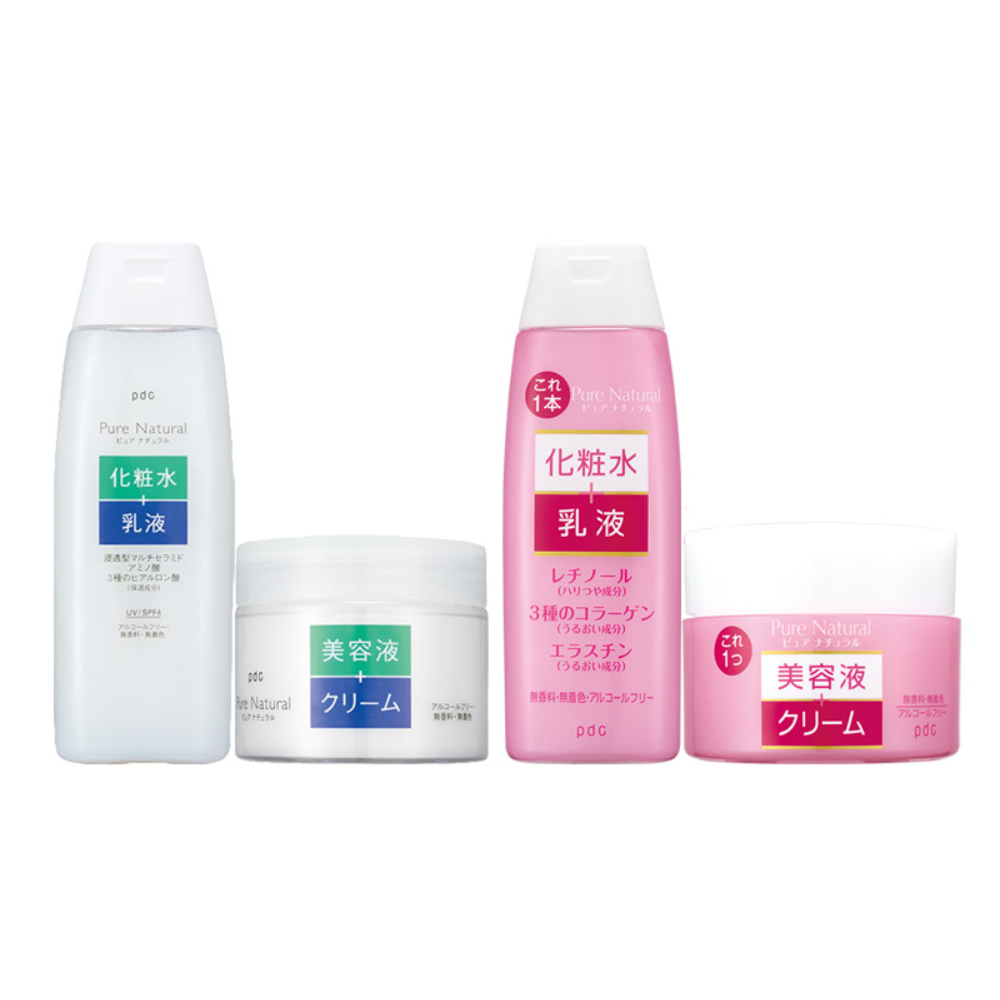
Words such as “lifting” can also carry different implications depending on how a claim is translated and presented. EU cosmetic claims must be supported and must not imply characteristics the product does not have.
ANESSA Skin Milk and Skin Gel
The ANESSA Skin Milk / Skin Gel page contains two sunscreen variants. Within the EU, sunscreens are cosmetics, but permitted UV filters, concentrations, safety documentation, claims, and labeling are controlled by the Cosmetics Regulation.
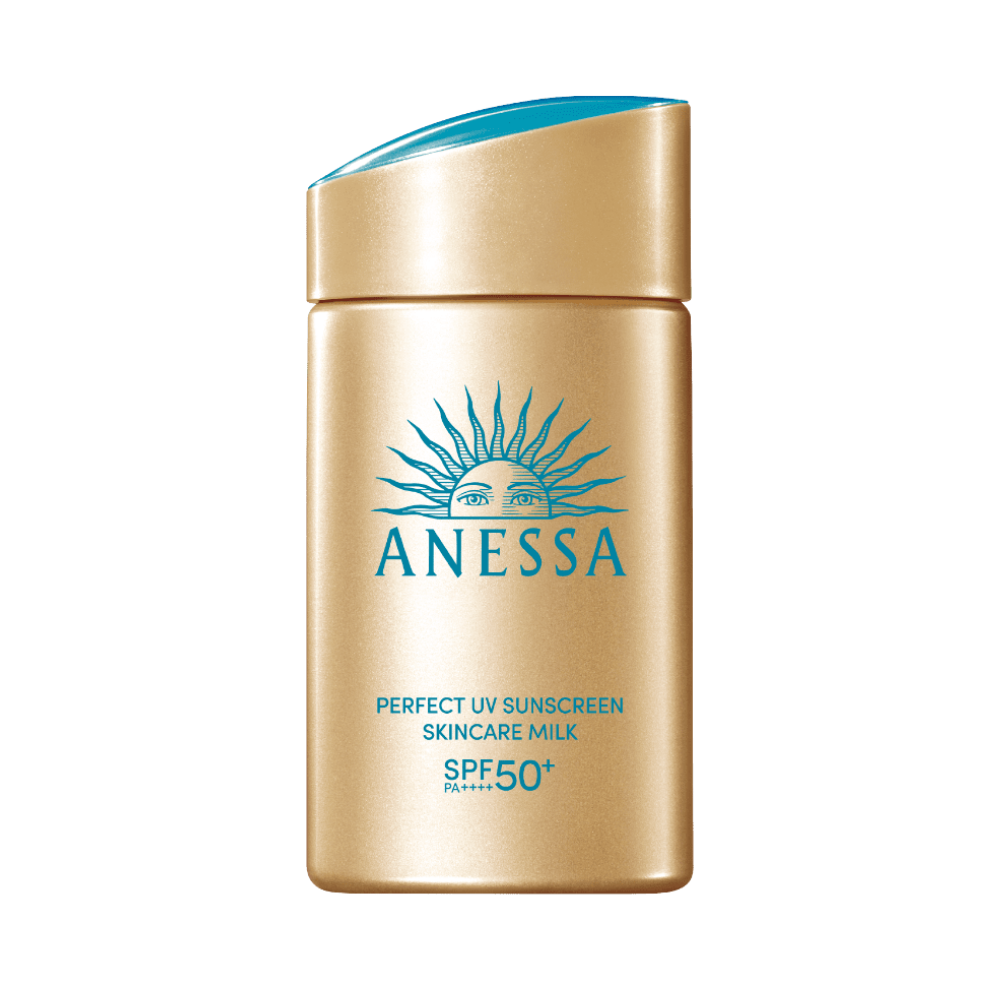
Do not assume that a Japanese SPF or PA label establishes full EU compliance. Confirm the exact variant and destination eligibility. Our Anessa vs Biore vs Allie guide compares Japanese product formats without replacing an EU compliance review.
| Store example | Variant issue | Customs description focus | EU compliance focus |
|---|---|---|---|
| SENKA Perfect Whip | Standard formula versus other SENKA cleansers | Exact rinse-off cleanser and size | Formula-specific label and safety information |
| Hada Labo Perfect Gel | Single jar product | Skin-care gel and size | Responsible person, PIF, notification, label |
| Hada Labo Premium | Skin and milk-lotion variants | Exact liquid or emulsion variant | Separate formula and package information |
| Naturie Hatomugi | Large liquid versus gel jar | Exact format, volume, and units | Formula, label, language, and responsible person |
| PDC Pure Natural | Four cream/lotion options | Exact selected variant | Claim support and variant-specific ingredients |
| ANESSA | Milk and gel sunscreen variants | Exact sunscreen format and size | Authorized UV filters, safety, notification, and labeling |
Delivery methods and surprise charges
Postal delivery and express courier delivery can use different customs workflows. Neither is automatically cheaper after all charges are counted.
Postal services often hand the parcel to the destination’s national postal operator. The operator may request online payment, collect at delivery, or hold the parcel for documentation. Express couriers usually manage declarations directly and may clear faster, but they can charge brokerage, advancement, disbursement, or storage fees under their tariffs.
Before checkout, identify:
- whether VAT is collected by the seller;
- whether the seller states that customs duty is prepaid;
- the named carrier or postal service;
- whether the product format is accepted;
- what happens if delivery is refused;
- whether return shipping and unrecoverable import charges are deducted from a refund.
“Free shipping” refers to transport pricing, not necessarily import VAT, customs duty, or clearance fees. Likewise, “tax included” should be read in context: it may refer to Japanese consumption tax, destination VAT, or a platform estimate. Look for destination-specific wording.
If a parcel is delayed, check the official carrier tracking page. A customs hold can mean the declarant needs a clearer description, origin, value, invoice, product identifier, or regulatory document. Respond through verified channels and keep copies. Be cautious with unexpected payment links sent by text message.
Humidity & sweat resistance
Humidity and sweat resistance do not change VAT, but they affect whether an international skincare order fits the destination and season.
Southern European summers, humid coastal cities, indoor heating, and cold northern winters create very different routines. A rich gel or milk may feel useful in a dry environment but too occlusive for someone who prefers light layers in humidity. A product’s format is a selection factor, not proof of a particular result on every skin type.
For liquids and gels, storage and transport matter. Keep products away from prolonged heat or freezing conditions and follow the package directions. Check seals and consistency after delivery. Do not use a product that arrived open, leaking, or visibly altered.
For sunscreen, water resistance and sweat claims require particular care. The EU regulates sunscreen as a cosmetic, and protection claims must be supported. A Japanese “super waterproof” statement or PA rating should not be converted into a European claim without the required evidence and compliant presentation. Even a water-resistant sunscreen still needs correct application and reapplication according to its directions.
For broader routine comparisons, see Best Japanese Drugstore Skincare 2026 and Shiseido at the Japanese Drugstore.
Getting it outside Japan
Use this destination-first workflow for a Japanese skincare order to Europe.
1. Identify the customs territory
Do not stop at the country name. Confirm whether the destination is in the EU VAT and customs territory and whether a special territory or region has different rules. Great Britain, Northern Ireland, Norway, Switzerland, the Channel Islands, and other territories can follow different systems.
2. Select the exact product variant
Record the size, shade, refill status, and formula name. A single Shopify page can contain several variants. Customs data and compliance documents must relate to the item actually shipped.
3. Confirm destination availability
Enter the delivery country and postal code at checkout. An active product page does not promise that the exact variant is eligible for every destination. Sunscreens, aerosols, perfumes, pressurized products, and high-alcohol formulas can need additional carrier or regulatory checks.
4. Determine how VAT is handled
Check whether destination VAT is collected during checkout. If it is, save the invoice. If it is not, expect the postal operator or courier to collect VAT during clearance. Do not assume IOSS from a generic “tax included” label.
5. Check duty and carrier terms separately
For EU low-value distance sales, account for the temporary per-item customs duty now in force. For other consignments, check the tariff classification, origin, and potential preference. Then review the carrier’s own clearance fees.
6. Keep records and monitor tracking
Save the order confirmation, invoice, payment record, exact product pages, and tracking number. Answer genuine customs requests promptly. Use the carrier’s official website instead of an unverified message link.
7. Inspect the delivery
Confirm that the variants match the order and that seals are intact. Review the current package’s ingredients, warnings, and directions. Online descriptions can change after purchase and should not override the label on the unit received.
| Stage | What to confirm | Record to keep |
|---|---|---|
| Product selection | Exact variant, size, format, and destination eligibility | Product-page snapshot or order line |
| Checkout | VAT collection, duty terms, carrier, and delivery condition | Final checkout and payment confirmation |
| Customs | Accurate description, value, origin, and requested product data | Invoice and carrier correspondence |
| Delivery | Charges paid, correct item, seal, and package condition | Receipt, assessment, and delivery photos if needed |
| Return | Seller authorization, export evidence, and treatment of import charges | Return tracking and customs documents |
Great Britain, Northern Ireland, Norway, and Switzerland
“Europe” should never be used as shorthand for one import rule.
Great Britain
Great Britain has its own VAT and customs thresholds and its own cosmetics framework. Official UK guidance says the method of VAT collection depends on the order value and that customs duty can depend on value, product type, and origin. It also requires a UK-established responsible person for cosmetics made available to consumers in Great Britain.
Use the current UK tax and customs guidance and Great Britain cosmetics guidance. Northern Ireland is not identical to Great Britain, so check its specific rules separately.
Norway
Norway is not part of the EU customs and VAT territory. Norwegian Customs says online-shopping charges and payment methods depend on whether the store or marketplace is registered in the VOEC scheme, the type of goods, and the value. Check Norwegian Customs online-shopping guidance for the current route.
Switzerland
Switzerland operates its own customs and VAT system. The Federal Office for Customs and Border Security says foreign postal and courier consignments must be declared and that the transporter generally handles the declaration, then bills state charges and its own clearance costs to the recipient. See the Swiss online-purchase guidance.
The same order can therefore produce different tax, customs, compliance, and carrier outcomes depending on whether it goes to Paris, Dublin, Oslo, Zurich, London, or Belfast.
Frequently asked questions
Do I pay VAT on Japanese skincare delivered to the EU?
Generally, yes. Commercial goods imported into the EU are subject to import VAT regardless of low order value. VAT may be collected at checkout through IOSS or another platform arrangement, or by the carrier during import clearance.
Does IOSS mean there are no charges on delivery?
Not necessarily. Correct IOSS use can settle VAT at checkout, but it does not automatically include customs duty or a carrier’s clearance fees. A missing or incorrect IOSS transmission can also lead to a duplicate VAT request that must be resolved with the seller and carrier.
Are small EU parcels duty free?
That old rule is outdated for current e-commerce imports. Since July 1, 2026, the EU applies a temporary flat customs duty per tariff item to qualifying low-value distance sales. Check the Commission’s current guidance because the system is scheduled to change again.
Is customs duty calculated on the whole parcel or each product?
The current temporary low-value EU duty is described as applying per tariff item, not simply once per parcel. Outside that treatment, normal customs calculations depend on classification, value, origin, and the applicable procedure.
Can the EU–Japan agreement remove duty?
It may provide preferential treatment when the product meets the agreement’s origin rules and the claim is made correctly. Dispatch from Japan or a Japanese brand name alone is not proof of preferential origin.
Can I import any Japanese cosmetic for personal use?
Do not assume so. Online sales into an EU market can still place products on that market. EU cosmetics need a responsible person, safety documentation, notification, compliant ingredients and claims, and required labeling. Destination authorities make the final enforcement decision.
Are Japanese sunscreens cosmetics in the EU?
Sunscreens fall within the EU cosmetics framework, but the exact UV filters, formulation, safety assessment, claims, and labeling must comply. A Japanese SPF/PA label alone is not proof of EU compliance.
Why did the courier add a fee after checkout?
The courier may have prepared the customs declaration, advanced VAT or duty, presented the parcel to customs, or stored it while awaiting payment. Those commercial fees are separate from government VAT and duty.
Will refusing the parcel erase all charges?
Not necessarily. Return transport, storage, brokerage, and import charges may be non-refundable. Read the seller and carrier return terms before refusing delivery, and keep proof that a returned parcel exited the destination territory.
Final takeaway
Buying Japanese skincare in Europe is easiest when you separate product eligibility, VAT, customs duty, and carrier charges. For EU orders, VAT applies to commercial imports and the former low-value duty exemption has been replaced by a temporary per-item customs duty. For Great Britain, Norway, Switzerland, and special territories, use their own official systems.
Before ordering, select the exact variant, confirm checkout availability, check how VAT and duty are collected, and keep the invoice. For cosmetics, also remember that tax payment is not product approval: responsible-person, safety, notification, ingredient, claim, and labeling requirements still apply.
Rules changed materially in 2026 and will change again. Use the official links in this guide rather than relying on an older threshold table or a previous shopper’s delivery experience.